
Acrylic Painting – A Beginner’s Guide
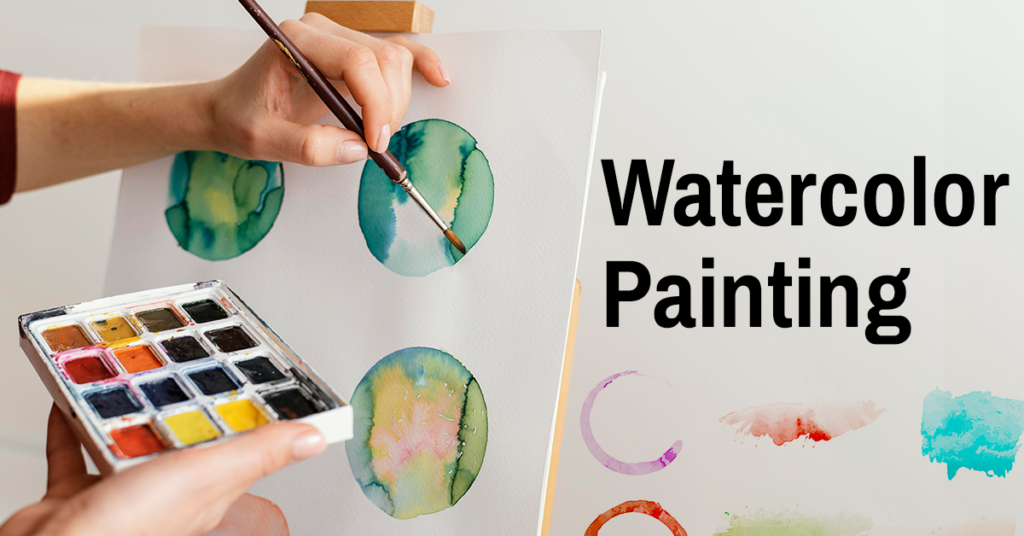
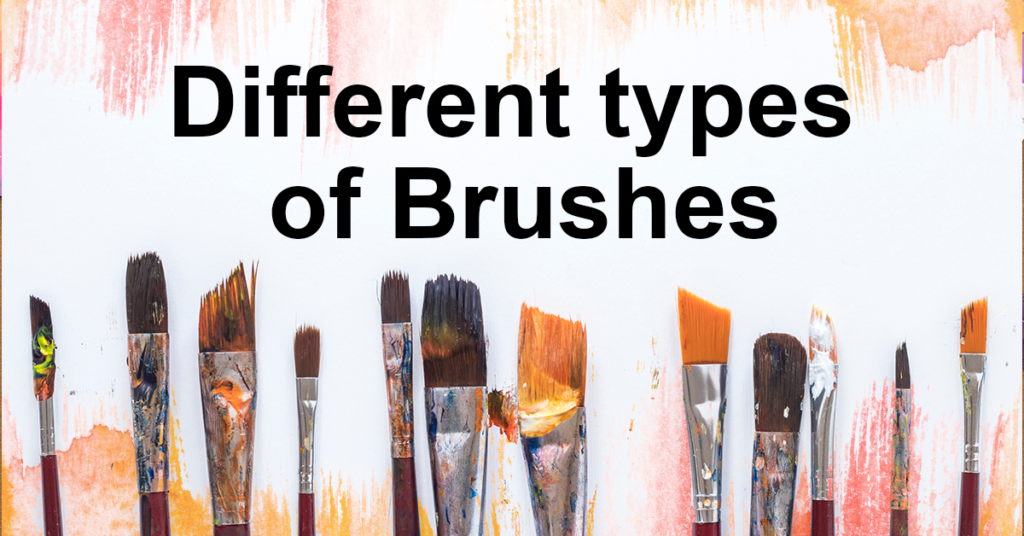
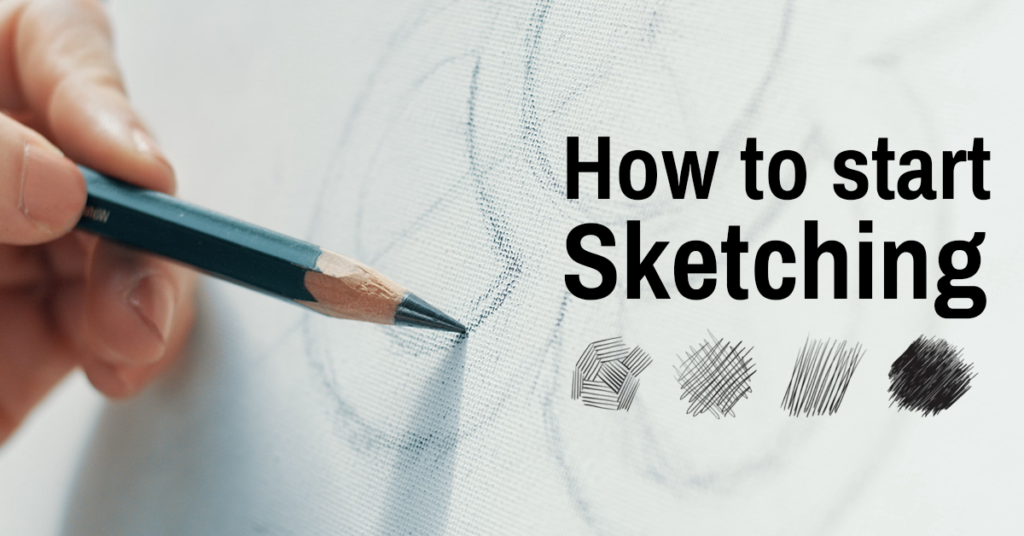
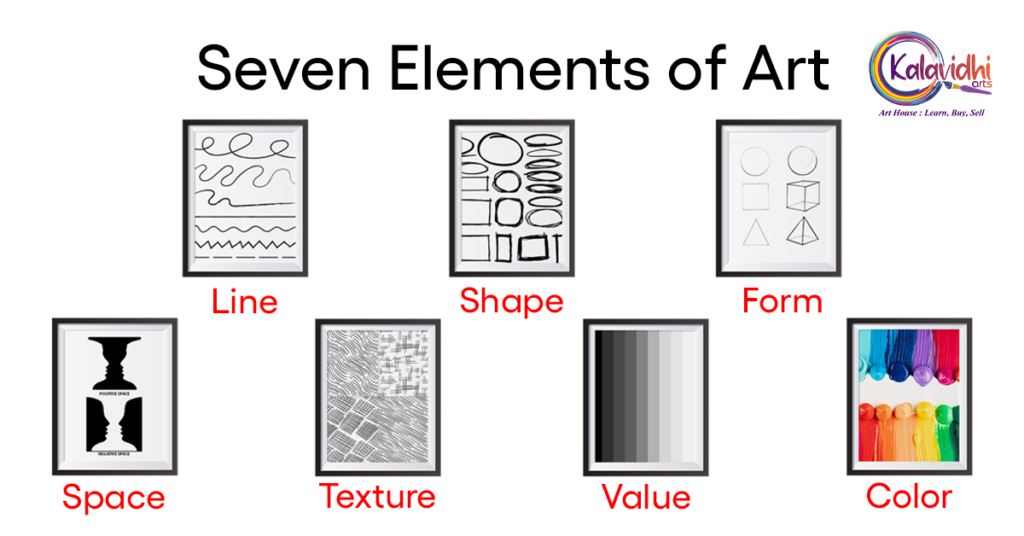
Acrylic painting is a wonderful skill to learn, and one of the easiest paints to work with if you’re new to the world of painting.Acrylic paint is fairly new to the art world in the grand scheme of things. It was introduced in the 1960’s and is widely used by professional artists today. It can easily be a favorite among different painting mediums for its versatility and vibrancy! Acrylic painting is approachable for beginner and professional artists alike. One can get bright and bold tones by mixing these colors. Another wonderful property of acrylic paints is that it can be changed by mixing with various mediums and materials. For example, it can be diluted with water to create a watercolor effect, but it can also be mixed with a gel medium to get a textured impasto look. Another great thing about acrylic paint is that it can bond with a variety of different surfaces including glass, wood, canvas, metal, paper, and more. Unlike other paints, acrylic paint is water soluble and can create a translucent effect. One of the biggest benefits of acrylic paint is that it dries quickly. So, not much muddying happens. When it comes to acrylic paint, it is prudent to keep an open mind and exploring new techniques. So, let’s dive into learning acrylic painting step-by-step! Step 1: Get your tools and mindset ready Acrylics are not a high-maintenance medium. You need just four simple tools to get started with acrylics: the paint itself, a brush, a cup of water, and a surface (commonly known to artists as a support) and a ventilated space. Once you are comfortable with the medium go for high pigmentpaints, solvents, canvas or board. Types of Brushes Color Theory Step 2: Choose your subject Now that we’ve covered the painting supplies, you are going to need to pick an idea of what to paint.It seems like an easy enough task, but it could be the most challenging one, especially when you’re just beginning.First off, pick up something that’s not too hard and not too challenging. Choosing the right difficulty level of painting is important so that you enjoy the process and feel empowered to learn and paint more! Some simple ideas could be flowers from your garden, vase of flowers, a bowl of fruit (or individual fruits), simple landscape, beach scene, sunset scene etc. Step 3: Preliminary Drawing Drawing is the first step for a successful painting! This will help you position the principle elements in space, and define forms and proportions.This will guide you better as the painting progresses and everything will stay in proper proportion.Lightly draw the painting’s main features with a soft pencil that can be covered with paints later. Using a grid or tracing paper can also help in this step. Step 4: Application of colors Acrylic colors are water soluble so applying the paint as thin layers works best – moving from lightest to darkest. Don’t forget to let each layer of paint dry before applying the next one: This allows colors and touch to remain fresh and sharp. Step 5: Adding details to the painting The final step involves adding the elements that put life in your painting. Strengthen colors, add texture, volume and highlights. If you wish to have a colored background, start with applying a diluted colorwash. Wait until the background is dry to add colors.Be patient and practice a lot to understand what interests you and makes your painting journey enjoyable. Kalavidhi Art-vantages! Share your acrylic paintings on your Instagram and Facebook accounts, tag Kalavidhi Arts and get featured on Kalavidhi Arts Instagram and Facebook page Happy Painting!
Acrylic Painting – A Beginner’s Guide Read More »